As Southern California braces for another dangerous fire season, thousands of homeowners are facing a different kind of emergency — one that doesn’t involve flames, but finance.
According to a recent CBS KCBS report, insurers are dropping policyholders across the region, even in areas not officially labeled as high fire zones. For many residents, premiums have doubled — and for others, coverage has disappeared entirely.
This is becoming a familiar pattern across California: homeowners blindsided by non-renewal notices, forced into costly last-resort insurance options, and trapped in a volatile market where insurers are struggling to manage growing wildfire risk.
Non-Renewals Are Hitting Even Low-Risk Neighborhoods
For Heather Bracca, who lives in an unincorporated part of Chatsworth, the warning came too late.
She only discovered her policy was being non-renewed when she attempted to refinance her home and was asked to provide proof of upcoming coverage. By that point, her insurer had already decided not to renew the policy.
When Bracca began shopping for replacement coverage, every new quote came back at more than double her prior premium — which had already climbed close to $5,000 per year.
From her perspective, the decision felt deeply unfair: no claims, no losses, yet still dropped. Her experience reflects a growing problem across Southern California — insurers are responding to perceived wildfire exposure, even in neighborhoods that haven’t burned in decades.
The California FAIR Plan as the Safety Net
After exhausting all private-market options, Bracca turned to the California FAIR Plan, the state’s insurer of last resort for homeowners who cannot find coverage elsewhere.
The FAIR Plan is a state-mandated pool of insurers that provides basic fire insurance when private carriers refuse to write policies. While it plays a critical role, it comes with significant limitations.
The maximum total coverage available from the FAIR Plan is $3 million per property. In Southern California, where rebuilding costs and home values routinely exceed seven figures, that limit may still fall short of full protection.
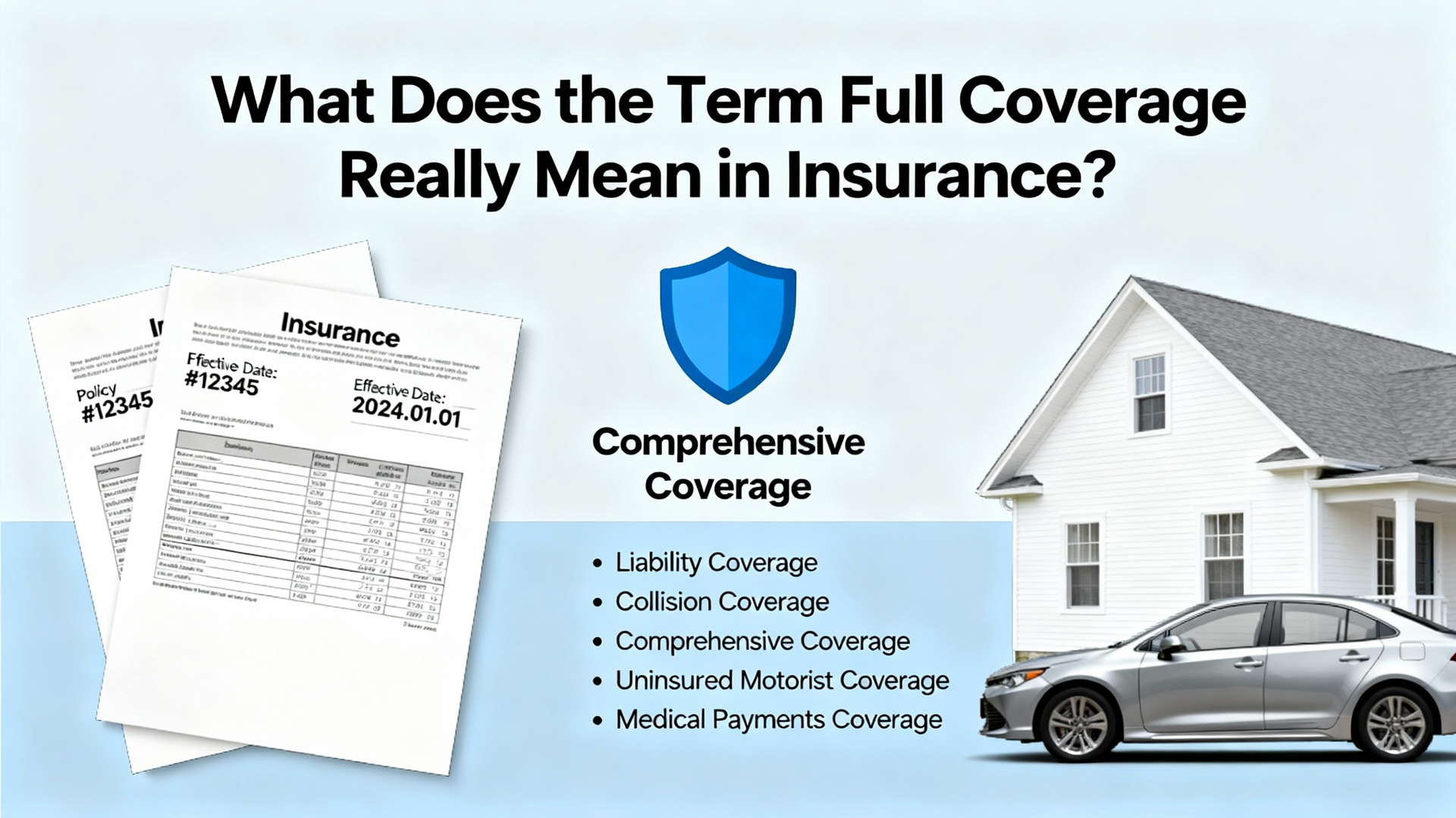
Because the FAIR Plan typically only provides fire coverage, most homeowners must also purchase a separate “Difference-in-Conditions” (DIC) policy for liability, theft, and water damage. That means managing two policies, two premiums, and two underwriting processes.
Widespread Underinsurance Is Becoming a Hidden Problem
Independent insurance expert Karl Susman of Susman Insurance Agency says many homeowners who still have private insurance are underinsured without realizing it.
Due to rising construction costs and labor shortages, he estimates the average homeowner is underinsured by roughly 10%.
Since the pandemic, the price of lumber, labor, and building materials has increased sharply. Yet many insurance policies have not been updated to reflect these higher rebuilding costs.
Susman notes that the cost to fix underinsurance is often modest — sometimes just a couple hundred dollars per year — compared to the potentially devastating financial shortfall after a total loss.
State Protections Exist — But Only in Limited Areas
California Insurance Commissioner Ricardo Lara has issued consumer protection orders that prohibit insurers from canceling or non-renewing policies during a declared wildfire emergency and for one year afterward.
However, those protections only apply to specific ZIP codes included in an official disaster declaration.
If a homeowner lives just outside a declared zone, or if the non-renewal occurs before a fire officially begins, insurers can legally drop the policy — even though fire conditions may be just as dangerous.
This creates a gray area where thousands of homeowners remain vulnerable to non-renewals despite worsening statewide fire risk.
Why Insurers Are Pulling Back From California
The mass retreat of insurers is driven by a combination of wildfire losses, reinsurance costs, and California’s regulatory structure.
Wildfire frequency and severity have increased, pushing claim payouts to record levels. At the same time, reinsurance — the insurance that insurers buy to protect themselves from catastrophe — has nearly doubled in cost since 2020.
Under Proposition 103, California insurers must receive state approval before raising rates, and those approvals rely heavily on historical loss data rather than forward-looking wildfire risk.
As a result, insurers argue they cannot raise premiums fast enough to match the real cost of modern wildfire exposure. Faced with mounting losses, many carriers have chosen to stop writing new policies or to exit high-risk regions altogether.
The Human and Economic Impact on Homeowners
While lawmakers and insurance executives debate reform, homeowners are left dealing with the fallout in real time.
Families with no claims history are now paying thousands more per year for coverage or settling for limited protection. Homebuyers are seeing escrow delayed or canceled because lenders require proof of insurance before closing.
With the FAIR Plan now covering more than 350,000 homes statewide, the concentration of policies in suburban and semi-rural areas is beginning to affect local housing markets. Without reliable insurance, property values can decline, financing becomes harder, and entire communities face economic uncertainty.
What Southern California Homeowners Can Do
Although individual homeowners cannot fix the state’s insurance system overnight, experts recommend several practical steps to protect both coverage and finances.
Review your coverage annually to ensure the dwelling replacement cost reflects current construction prices.
Work with an independent insurance agent who can shop multiple carriers, including regional or specialty insurers still active in certain ZIP codes.
Invest in fire mitigation by creating defensible space, clearing vegetation, installing ember-resistant vents, and upgrading roofing materials.
Ask about bundling home and auto policies or adding safety features that may qualify for discounts.
If forced onto the FAIR Plan, pair it with a Difference-in-Conditions policy to maintain broader protection.
The Market Is Changing, But Relief Will Take Time
The California Department of Insurance has proposed reforms through its Sustainable Insurance Strategy, including allowing forward-looking wildfire models, streamlining rate approvals, and encouraging insurers to return to high-risk markets.
However, these changes will take time to implement. For homeowners currently facing non-renewals and sharp premium hikes, the crisis is immediate.
The situation in Southern California highlights that this is no longer just a wildfire issue — it is a market structure problem driven by climate volatility, outdated regulation, and shrinking insurer participation.
Final Thoughts
California’s wildfire insurance crisis is no longer confined to remote fire zones. It is now affecting ordinary suburban neighborhoods across Southern California.
As risks evolve and costs rise, the state’s insurance framework must adapt. Until it does, more homeowners will be pushed into limited last-resort coverage that may not fully protect their most valuable asset.
For now, experts emphasize that maintaining proper insurance — even at a higher cost — remains essential to protecting long-term financial stability in a state where fire season never truly ends.